92%

Closest match

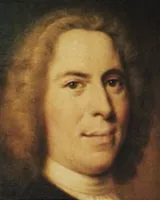
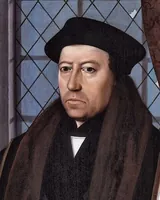
H. Richard Niebuhr

1894 – 1962 · Reformed (Evangelical and Reformed)

Where you meet

  • Revelation alone
  • Universal hope
  • Scripture alone

Your result · 20th century

Result for Colin Holder

Scripture alone

The Bible is the only infallible rule of faith; all else is answerable to it.

Bring a friend

Your theology, branch by branch

YouH. R. Niebuhr, your closest match

God & Revelation

Unchanging yet responsive · Scripture alone

  • Can human reason reach God, or only God's self-revelation?Revelation alone 60%
  • Is God beyond change and suffering, or moved by the world?Unchanging yet responsive
  • Does Scripture stand alone, or within the Church's Tradition?Scripture alone 73%

Grace & Salvation

Enabling grace · Universal hope · Union with Christ

  • Does salvation rest finally on God's choice or on a free human response?Enabling grace
  • Will all be saved in the end, or only some?Universal hope 65%
  • Is salvation chiefly a verdict or a transformation?Union with Christ

Church & World

Spiritual presence · Conciliar · Critical engagement

  • Do sacraments convey what they signify, or commemorate it?Spiritual presence
  • Is authority in the Church handed down or held in common?Conciliar
  • Should the Church stand apart from society or work to transform it?Critical engagement

Method & Spirit

Critical realism · Organic development

  • Is theology a rigorous science or a contemplative ascent?Systematic reason 63%
  • Read the Bible first as history, or first as the Church's book?Critical realism
  • Does doctrine develop and revise, or guard a fixed deposit?Organic development

Your profile in depth

Centrist · 12 of 12 axes answered

Your answers stay close to the centre on nearly every axis. You hold tensions together rather than picking a pole, and many theologians sit a similar distance from you.

No single conviction stands out; your firmest answers are still within reach of the middle.

Your closest match is H. Richard Niebuhr (92%), from the Reformed family and the 20th century era. Your top ten span 4 tradition families and 4 eras, so your views cut across the usual denominational lines.

Still open: “Is God beyond change and suffering, or moved by the world?”, “Does salvation rest finally on God's choice or on a free human response?”, “Is salvation chiefly a verdict or a transformation?” and 5 more.

Branch by branchWhat your leanings mean, question by question

God & RevelationYour most settled branch

  • Can human reason reach God, or only God's self-revelation? Leaning

    On balance, you hold that God is known truly where God chooses to speak, above all in Christ, and are wary of reasoning up to God from below.

  • Is God beyond change and suffering, or moved by the world? Middle

    You hold God's constancy and God's responsiveness together without letting either swallow the other.

  • Does Scripture stand alone, or within the Church's Tradition? Leaning

    On balance, you make Scripture the final court of appeal, with creeds, councils and customs answerable to it.

On these three questions alone, your closest match is H. Richard Niebuhr.

Grace & Salvation

  • Does salvation rest finally on God's choice or on a free human response? Middle

    You insist that grace comes first and enables everything, while leaving room for a real human yes.

  • Will all be saved in the end, or only some? Leaning

    On balance, you hope, or expect, that God's love will in the end reconcile everyone.

  • Is salvation chiefly a verdict or a transformation? Middle

    You place verdict and transformation together inside the larger picture of union with Christ.

On these three questions alone, your closest match is H. Richard Niebuhr.

Church & WorldYour most open branch

  • Do sacraments convey what they signify, or commemorate it? Middle

    You see Christ as really present in the sacraments by the Spirit, without tying that presence to the elements themselves.

  • Is authority in the Church handed down or held in common? Middle

    You favour shared, conciliar authority, with councils, synods or elders deciding together.

  • Should the Church stand apart from society or work to transform it? Middle

    You favour critical engagement: involved in society, but never simply at home in it.

On these three questions alone, your closest match is Kazoh Kitamori.

Method & Spirit

  • Is theology a rigorous science or a contemplative ascent? Leaning

    On balance, you like theology done with clear definitions and ordered arguments.

  • Read the Bible first as history, or first as the Church's book? Middle

    You want history and theology at the same table when you read Scripture.

  • Does doctrine develop and revise, or guard a fixed deposit? Middle

    You see doctrine developing organically, more like a seed growing than a new plant.

On these three questions alone, your closest match is Huldrych Zwingli.

Convictions and open questions0 firm · 8 open

Strongest convictions

None of your answers reach the firm end of an axis (60% of the way or more). Your profile is built from leanings.

Open or undecided

  • Is God beyond change and suffering, or moved by the world?in the middle (unchanging yet responsive)
  • Does salvation rest finally on God's choice or on a free human response?in the middle (enabling grace)
  • Is salvation chiefly a verdict or a transformation?in the middle (union with Christ)
  • Do sacraments convey what they signify, or commemorate it?in the middle (spiritual presence)
  • Is authority in the Church handed down or held in common?in the middle (conciliar)
  • Should the Church stand apart from society or work to transform it?in the middle (critical engagement)
  • Read the Bible first as history, or first as the Church's book?in the middle (critical realism)
  • Does doctrine develop and revise, or guard a fixed deposit?in the middle (organic development)
Unusual combinations1 found
  • Scripture alone with universal hope

    Only 14 of the 178 theologians in Credo combine these two, among them Reinhold Niebuhr, H. Richard Niebuhr, George Fox.

    Of the 68 theologians in Credo on the Scripture alone side, 44 sit on the opposite side of the second question (particularism), so this pairing is one of the more distinctive parts of your profile.

You and H. Richard Niebuhr, axis by axis9 in step · 2 close · 1 apart

You and H. R. Niebuhr are in step on 9 of 12 answered questions and close on 2 more. The widest gap is on “Does doctrine develop and revise, or guard a fixed deposit?”: you sit in the middle (organic development), H. R. Niebuhr sits firmly at development & revision (38 points apart on a 100-point line).

QuestionYouH. Richard NiebuhrGap
Can human reason reach God, or only God's self-revelation?You: leaning toward revelation aloneH. Richard Niebuhr: leaning toward revelation alone0in step
Is God beyond change and suffering, or moved by the world?You: in the middle (unchanging yet responsive)H. Richard Niebuhr: in the middle (unchanging yet responsive)0in step
Does Scripture stand alone, or within the Church's Tradition?You: leaning toward Scripture aloneH. Richard Niebuhr: leaning toward Scripture alone2in step
Does salvation rest finally on God's choice or on a free human response?You: in the middle (enabling grace)H. Richard Niebuhr: leaning toward sovereign election3in step
Will all be saved in the end, or only some?You: leaning toward universal hopeH. Richard Niebuhr: leaning toward universal hope0in step
Is salvation chiefly a verdict or a transformation?You: in the middle (union with Christ)H. Richard Niebuhr: in the middle (union with Christ)8in step
Do sacraments convey what they signify, or commemorate it?You: in the middle (spiritual presence)H. Richard Niebuhr: leaning toward memorial & symbol13close
Is authority in the Church handed down or held in common?You: in the middle (conciliar)H. Richard Niebuhr: leaning toward congregational1in step
Should the Church stand apart from society or work to transform it?You: in the middle (critical engagement)H. Richard Niebuhr: firmly at transforming society25close
Is theology a rigorous science or a contemplative ascent?You: leaning toward systematic reasonH. Richard Niebuhr: leaning toward systematic reason2in step
Read the Bible first as history, or first as the Church's book?You: in the middle (critical realism)H. Richard Niebuhr: in the middle (critical realism)3in step
Does doctrine develop and revise, or guard a fixed deposit?You: in the middle (organic development)H. Richard Niebuhr: firmly at development & revision38apart

Gap = distance on a 100-point line from one pole to the other. In step: 12 or less; close: 30 or less.

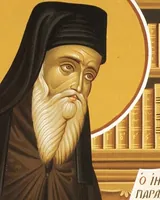
Why Nikodemos the Hagiorite is your opposite3 questions on opposite sides

Nikodemos is the theologian in Credo whose placements sit furthest from your answers overall. On 3 of 12 answered questions you are on opposite sides of the centre, and the biggest gaps are in God & Revelation and Method & Spirit and Church & World.

  • Does Scripture stand alone, or within the Church's Tradition?You: leaning toward Scripture alone · Nikodemos the Hagiorite: firmly at Scripture & tradition · 68 points apart
  • Is theology a rigorous science or a contemplative ascent?You: leaning toward systematic reason · Nikodemos the Hagiorite: firmly at mystical & apophatic · 57 points apart
  • Is authority in the Church handed down or held in common?You: in the middle (conciliar) · Nikodemos the Hagiorite: firmly at hierarchical · 49 points apart
  • Should the Church stand apart from society or work to transform it?You: in the middle (critical engagement) · Nikodemos the Hagiorite: firmly at distinct community · 45 points apart

Even so, you share ground: Revelation alone

A nemesis is a measure of distance between two sets of views, not a judgement on either.

Your near neighboursWhat sets each apart from your top match
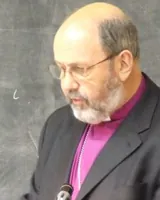
  • N. T. Wright 87%

    Anglican · Contemporary · Anglican family

    Closer to you than H. Richard Niebuhr on “Does doctrine develop and revise, or guard a fixed deposit?”. Further away on “Will all be saved in the end, or only some?”.

  • Gustaf Aulén 87%

    Lutheran (Church of Sweden) · 20th century · Lutheran family

    Closer to you than H. Richard Niebuhr on “Does doctrine develop and revise, or guard a fixed deposit?”. Further away on “Is authority in the Church handed down or held in common?”.

  • Nicolaus von Zinzendorf 86%

    Moravian (Pietist) · Early modern · Other Protestant family

    Closer to you than H. Richard Niebuhr on “Should the Church stand apart from society or work to transform it?”. Further away on “Is theology a rigorous science or a contemplative ascent?”.

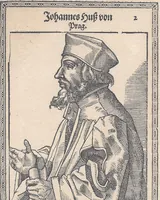
  • Jan Hus 86%

    Bohemian Reformation · Medieval · Other Protestant family

    Closer to you than H. Richard Niebuhr on “Does doctrine develop and revise, or guard a fixed deposit?”. Further away on “Is God beyond change and suffering, or moved by the world?”.

Traditions and eras closest to youClosest family: Reformed

Tradition families

  1. Reformed 85%closest: H. Richard Niebuhr, T. F. Torrance
  2. Lutheran 82%closest: Kazoh Kitamori, Gustaf Aulén
  3. Other Protestant 81%closest: Jan Hus, Nicolaus von Zinzendorf

Furthest: Oriental Orthodox (58%).

Eras

  • Patristic68%
  • Medieval79%
  • Reformation78%
  • Early modern79%
  • Modern75%
  • 20th century85%
  • Contemporary79%

Average match with the three closest theologians in each family or era, using all 178 placements and Credo's current scoring. Your top ten: H. Richard Niebuhr, T. F. Torrance, Karl Barth, Emil Brunner, Jan Hus, Kazoh Kitamori, Gustaf Aulén, N. T. Wright, Nicolaus von Zinzendorf, Dietrich Bonhoeffer.

Your dilemmas, interpreted22 answered

You faced 22 dilemmas and chose a side firmly every time. On 1, your choice went against the rest of your answers on that axis, which is worth a second look. Dilemmas count for 1.5 statements (a lean counts half).

  • The curious friend Firm

    A friend who has never opened a Bible asks whether God exists. You start with… Why there is something rather than nothing: an argument from the world itself.

    You chose the natural theology side of “Can human reason reach God, or only God's self-revelation?”. Interestingly, your other answers on this axis pulled the other way, so this choice softened your overall position. H. R. Niebuhr's placement in Credo is on the other side here.

  • The first lecture Firm

    You are planning the first lecture of a theology course. Its title: Why no ladder of human thought reaches God

    You chose the revelation alone side of “Can human reason reach God, or only God's self-revelation?”. It matches where the rest of your answers on this axis put you. H. R. Niebuhr's placement in Credo is on the same side.

  • The grieving parent Firm

    A grieving parent asks, "Does God feel my pain?" You answer… God's love is perfect and unshaken; because God is not overwhelmed by grief, God can hold you steady.

    You chose the classical theism side of “Is God beyond change and suffering, or moved by the world?”. Your answers on this axis balance out near the middle, so this choice is one of the things holding it there. H. R. Niebuhr sits near the middle on this axis.

  • God and time Firm

    Which picture of God and time is closer to the truth? God walks through history with us, responding as it unfolds.

    You chose the relational God side of “Is God beyond change and suffering, or moved by the world?”. Your answers on this axis balance out near the middle, so this choice is one of the things holding it there. H. R. Niebuhr sits near the middle on this axis.

  • The disputed passage Firm

    A disputed passage has two readings: one the Church has held for 1,500 years, one that looks plainer from the text alone. You lean toward… The plainer reading of the text.

    You chose the Scripture alone side of “Does Scripture stand alone, or within the Church's Tradition?”. It matches where the rest of your answers on this axis put you. H. R. Niebuhr's placement in Credo is on the same side.
  • The new believer Firm

    A new believer asks how to tell true teaching from false. You say… Read the Bible: Scripture interprets Scripture.

    You chose the Scripture alone side of “Does Scripture stand alone, or within the Church's Tradition?”. It matches where the rest of your answers on this axis put you. H. R. Niebuhr's placement in Credo is on the same side.
  • Two hearers Firm

    Two friends hear the same sermon. One comes to faith, one does not. At bottom, the difference is… God's grace worked decisively in one of them.

    You chose the sovereign election side of “Does salvation rest finally on God's choice or on a free human response?”. Your answers on this axis balance out near the middle, so this choice is one of the things holding it there. H. R. Niebuhr's placement in Credo is on the same side.

  • Courtroom or forge Firm

    Which image sits closer to the centre of salvation? A forge: iron left in the fire until it glows with the fire's own light.

    You chose the transformation & theosis side of “Is salvation chiefly a verdict or a transformation?”. Your answers on this axis balance out near the middle, so this choice is one of the things holding it there. H. R. Niebuhr sits near the middle on this axis.

  • The same old sin Firm

    A Christian keeps falling into the same sin. The first word they need is… You are already fully accepted; your standing does not depend on your progress.

    You chose the forensic justification side of “Is salvation chiefly a verdict or a transformation?”. Your answers on this axis balance out near the middle, so this choice is one of the things holding it there. H. R. Niebuhr sits near the middle on this axis.

  • At the table Firm

    At the communion table, what is happening? We remember Christ's death and proclaim it together.

    You chose the memorial & symbol side of “Do sacraments convey what they signify, or commemorate it?”. Your answers on this axis balance out near the middle, so this choice is one of the things holding it there. H. R. Niebuhr's placement in Credo is on the same side.

  • The font Firm

    Should infants be baptised? Yes: baptism is God's gift, and it comes before our response.

    You chose the sacramental realism side of “Do sacraments convey what they signify, or commemorate it?”. Your answers on this axis balance out near the middle, so this choice is one of the things holding it there. H. R. Niebuhr's placement in Credo is on the other side here.

  • The dissenting congregation Firm

    A congregation strongly disagrees with a decision of its wider church. It should… Follow its own discernment as a gathered church.

    You chose the congregational side of “Is authority in the Church handed down or held in common?”. Your answers on this axis balance out near the middle, so this choice is one of the things holding it there. H. R. Niebuhr's placement in Credo is on the same side.

  • The unjust law Firm

    A new law will hurt the poor. The Church's first response should be to… Care for the poor directly and be a visible alternative.

    You chose the distinct community side of “Should the Church stand apart from society or work to transform it?”. Your answers on this axis balance out near the middle, so this choice is one of the things holding it there. H. R. Niebuhr's placement in Credo is on the other side here.

  • Power Firm

    For Christians, political power is… A calling: a place where love can take the shape of justice.

    You chose the transforming society side of “Should the Church stand apart from society or work to transform it?”. Your answers on this axis balance out near the middle, so this choice is one of the things holding it there. H. R. Niebuhr's placement in Credo is on the same side.

  • A year with God Firm

    To know God better this year, you would rather… Work slowly through a great systematic theology.

    You chose the systematic reason side of “Is theology a rigorous science or a contemplative ascent?”. It matches where the rest of your answers on this axis put you. H. R. Niebuhr's placement in Credo is on the same side.

  • Two pages Firm

    Which would you rather have written? A clear definition, carefully argued, that settles a question.

    You chose the systematic reason side of “Is theology a rigorous science or a contemplative ascent?”. It matches where the rest of your answers on this axis put you. H. R. Niebuhr's placement in Credo is on the same side.

  • Reading Jonah Firm

    Reading the book of Jonah, your first question is… When, by whom and for what historical purpose was it written?

    You chose the historical-critical side of “Read the Bible first as history, or first as the Church's book?”. Your answers on this axis balance out near the middle, so this choice is one of the things holding it there. H. R. Niebuhr sits near the middle on this axis.

  • The hard teaching Firm

    A long-standing church teaching seems out of step with today's moral insight. You… Rethink it; Tradition is living and can be corrected.

    You chose the development & revision side of “Does doctrine develop and revise, or guard a fixed deposit?”. Your answers on this axis balance out near the middle, so this choice is one of the things holding it there. H. R. Niebuhr's placement in Credo is on the same side.

  • Old or new Firm

    The best theology is… Faithful and old, handing on what it received.

    You chose the fixed tradition side of “Does doctrine develop and revise, or guard a fixed deposit?”. Your answers on this axis balance out near the middle, so this choice is one of the things holding it there. H. R. Niebuhr's placement in Credo is on the other side here.

  • The kind unbeliever Firm

    At the funeral of a kind friend who never believed, what can honestly be said? We can hope with real confidence that God's love will not let them go.

    You chose the universal hope side of “Will all be saved in the end, or only some?”. It matches where the rest of your answers on this axis put you. H. R. Niebuhr's placement in Credo is on the same side.

  • Two prayers Firm

    Which prayer rings truer to you? Lord, help me keep saying yes to you, today and every day.

    You chose the synergy side of “Does salvation rest finally on God's choice or on a free human response?”. Your answers on this axis balance out near the middle, so this choice is one of the things holding it there. H. R. Niebuhr's placement in Credo is on the other side here.

  • The last chapter Firm

    The last chapter of history looks like… God all in all: every creature finally reconciled.

    You chose the universal hope side of “Will all be saved in the end, or only some?”. It matches where the rest of your answers on this axis put you. H. R. Niebuhr's placement in Credo is on the same side.

Written by Credo from your answers and the theologians' placements: a starting point for reflection, not a verdict. How this is generated

More theologians like you

Your nemesis

Read more

44 readings picked for this result from Credo's library of verified links: your top match, near neighbours and nemesis, your strongest leanings and the traditions closest to you. Links open in a new tab.

Start here

Reference articles on the people your answers sit closest to, and furthest from.

Show 4 more

Scholarship

Peer-reviewed articles, open access first. Some publishers ask for a subscription.

Show 9 more

Explore your leanings

Background on the positions you took, with a reading from the other side of your firmest views.

Show 18 more

You and everyone else

Live, anonymous figures from 16 completed Credo results. They describe the people who took this test, not Christians in general.

On 7 of 16 questions, you're with the majority.

Most common top matches

Share of all results whose closest theologian is each of these.

How you settled the dilemmas

  • The curious friendWhy there is something rather than nothing: an argument from the world itself.69% of 16 chose the same side
  • The first lectureWhy no ladder of human thought reaches GodNot enough answers yet (3)
  • The grieving parentGod's love is perfect and unshaken; because God is not overwhelmed by grief, God can hold you steady.Not enough answers yet (5)
  • God and timeGod walks through history with us, responding as it unfolds.Not enough answers yet (3)
  • The disputed passageThe plainer reading of the text.Not enough answers yet (3)
  • The new believerRead the Bible: Scripture interprets Scripture.Not enough answers yet (3)
  • Two hearersGod's grace worked decisively in one of them.31% of 16 chose the same side
  • Courtroom or forgeA forge: iron left in the fire until it glows with the fire's own light.Not enough answers yet (5)
  • The same old sinYou are already fully accepted; your standing does not depend on your progress.Not enough answers yet (3)
  • At the tableWe remember Christ's death and proclaim it together.25% of 16 chose the same side
  • The fontYes: baptism is God's gift, and it comes before our response.Not enough answers yet (3)
  • The dissenting congregationFollow its own discernment as a gathered church.Not enough answers yet (3)
  • The unjust lawCare for the poor directly and be a visible alternative.Not enough answers yet (5)
  • PowerA calling: a place where love can take the shape of justice.Not enough answers yet (3)
  • A year with GodWork slowly through a great systematic theology.63% of 16 chose the same side
  • Two pagesA clear definition, carefully argued, that settles a question.Not enough answers yet (3)
  • Reading JonahWhen, by whom and for what historical purpose was it written?Not enough answers yet (3)
  • The hard teachingRethink it; Tradition is living and can be corrected.Not enough answers yet (5)
  • Old or newFaithful and old, handing on what it received.Not enough answers yet (3)
  • The kind unbelieverWe can hope with real confidence that God's love will not let them go.Not enough answers yet (3)
  • Two prayersLord, help me keep saying yes to you, today and every day.Not enough answers yet (3)
  • The last chapterGod all in all: every creature finally reconciled.Not enough answers yet (3)

Matches compare your answers with each theologian's documented views, axis by axis, weighted by how much you answered on each. Real people are more complicated than twelve sliders. How matching works

Take the argument to the table

The best part of a result like this is arguing about it. Send it to a friend, compare your nemeses, and talk it over in person.

Browse the cast